
Before You Put a Crystal on a Client, Read This
Let's start with something honest.
Most practitioners who use crystals in their sessions learned how from a book, a YouTube video, a weekend workshop, or another practitioner who also learned from a book, a YouTube video, or a weekend workshop.
There is nothing inherently wrong with that. Knowledge travels the way it travels. But somewhere in the transmission, a critical piece got dropped — and it is the piece that separates decorative crystal use from therapeutic crystal work.
That piece is this: crystals are not passive objects. They are not neutral. They do not simply sit in a room and radiate gentle positivity onto whoever happens to be nearby. They hold specific frequencies. They interact with the body's energy field in specific ways. And placed on the wrong person, at the wrong time, in the wrong configuration — they can activate, destabilize, or amplify something that the client is not equipped to process.
This is not fear-mongering. This is frequency literacy. And it is one of the most important things missing from mainstream crystal education.

The problem with how crystals are taught
Walk into almost any crystal workshop or training and you will encounter some version of the same curriculum. This stone is for love. This one is for protection. This one opens the third eye. Place them on the corresponding chakra and allow the energy to flow.
That framework is not wrong. But it is incomplete in a way that becomes problematic the moment you move from personal use to professional practice.
When you use a crystal on yourself, your system self-regulates. If something feels like too much, you remove it. If a stone's energy doesn't suit where you are that day, your own intuition usually intervenes before anything goes sideways. You are both the practitioner and the client. The feedback loop is immediate and internal.
When you use a crystal on someone else, that feedback loop is gone. You are now responsible for reading another person's system — their current state, their capacity, their history, their nervous system's tolerance for energetic activation — and making a judgment call about whether what you are introducing is appropriate for them in this specific moment.
That requires a level of knowledge that "this stone is for love" does not give you.
What crystals are actually doing
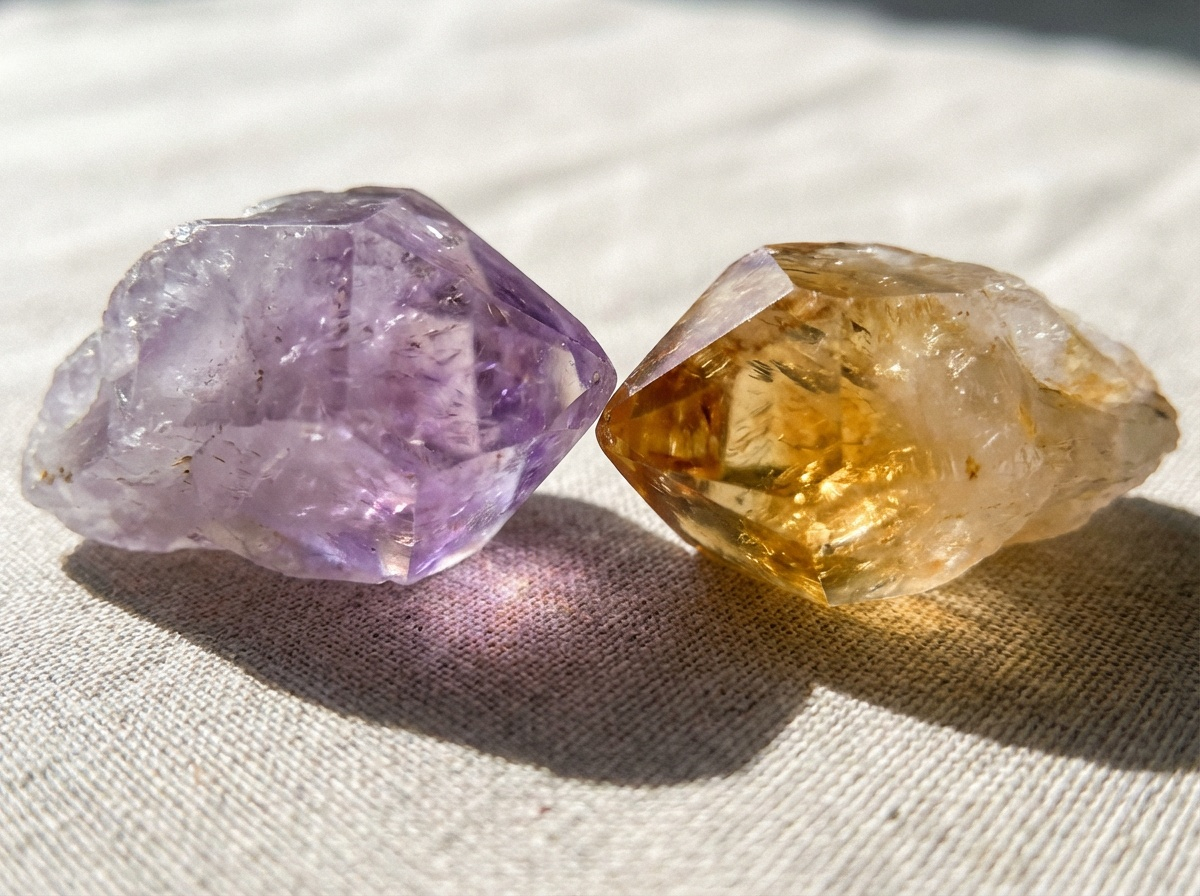
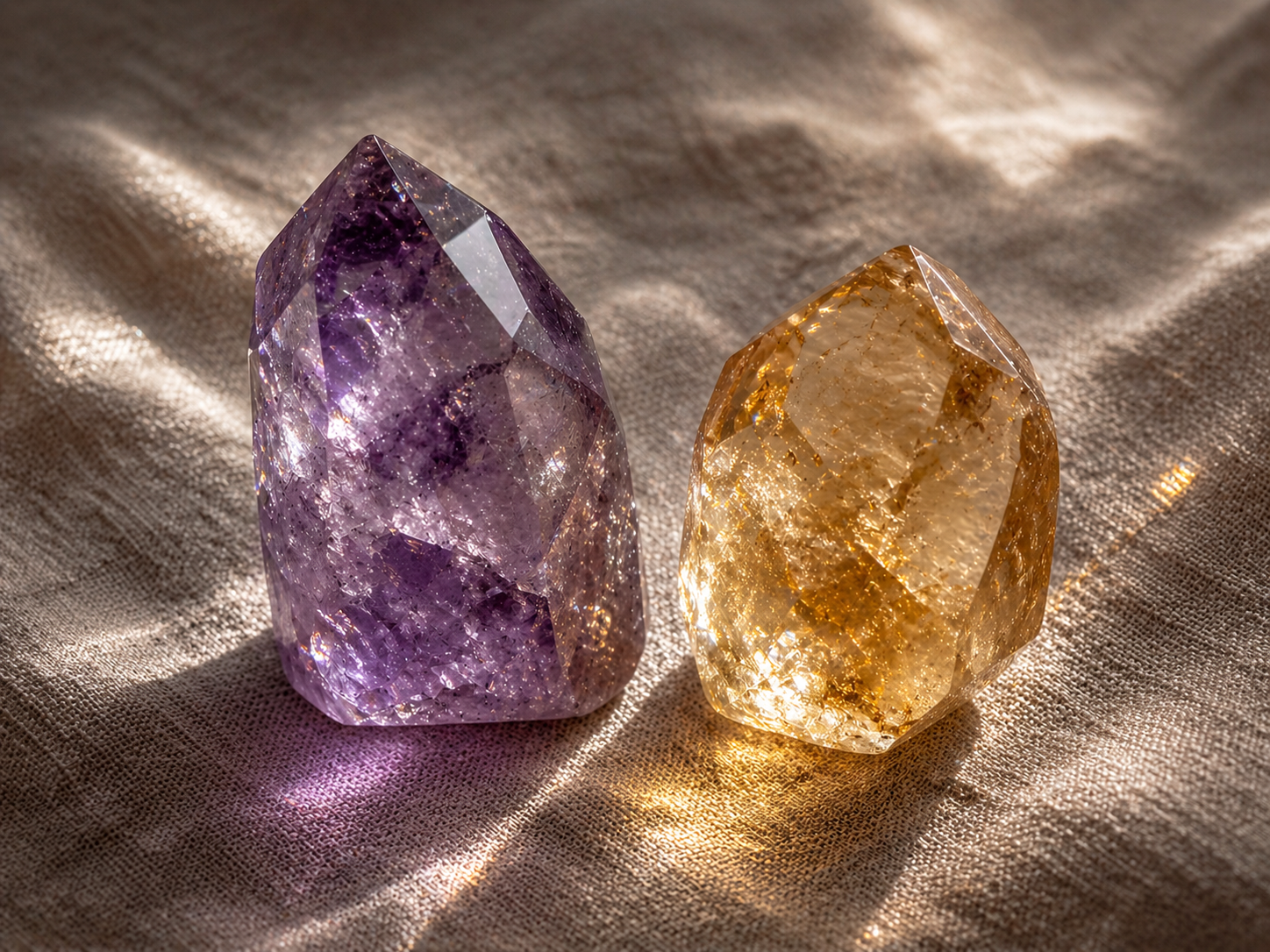
Every crystal has a vibrational signature, a frequency that it holds and emits based on its mineral composition, its molecular structure, and its formation process. This is not mystical language. It is the same principle behind quartz being used in watches and electronics for its precise oscillating frequency. The piezoelectric properties of crystals are measurable and documented.
When a crystal is placed on or near the body, its frequency interacts with the body's own electromagnetic field. Depending on the stone, that interaction might ground and slow the system down. It might activate and accelerate energy movement. It might draw stagnant energy upward toward the surface. It might amplify whatever emotional or energetic state is already present.
That last quality, amplification — is where inexperienced practitioners run into trouble most often.
A stone that amplifies energy does not discriminate between what it amplifies. If a client comes in carrying grief that is just barely held together beneath the surface, and you place an amplifying stone on their heart center without assessing whether they have the capacity to process what might rise — you have not helped them open. You have removed a lid from something they were not ready to look at, in a room that may not be equipped to hold what comes out, with a practitioner who may not be trained to navigate what follows.
That is not a healing session. That is an energetic incident.

The questions you need to be asking before any crystal goes on a client
This is the part of crystal work that rarely gets covered — and it is the most important part.
Before you reach for a stone, before you design a layout, before you decide which frequencies you are going to introduce into this person's session — there are a set of questions that need to be answered. Not theoretically. In real time, with this specific client, on this specific day.
What is this client's current state?
Not just the reason they booked the session — but how they walked in. Are they regulated or dysregulated? Are they grounded or already activated? Is their nervous system in a state that can receive energy work, or do they first need something that brings them down to a baseline where deeper work is even accessible?
What is their history with this kind of work?
Someone who has never received crystal therapy before has a very different capacity threshold than someone who has been working with energy modalities for years. A nervous system that has no reference point for what certain frequencies feel like can be overwhelmed by what a more experienced client barely notices. First sessions should always be calibrated accordingly — lighter, slower, more exploratory.
What am I actually trying to support in this session?
Not what the client asked for in general — but what this specific session is for. Grounding? Emotional release? Energetic clearing? Activation? The answer changes every stone you choose. A grounding session and a release session require almost entirely different approaches to crystal placement. Using the same layout for both is not protocol — it is guesswork with a spiritual aesthetic.

Does this stone's frequency match what this person's system needs right now?
This is where real knowledge of the stones matters. Not just their general associations — but their specific energetic quality, their speed, their direction of movement, their tendency to activate or to calm. Some stones move energy upward. Some move it downward. Some pull it out from the body. Some push it in. Knowing which is which — and knowing which is appropriate for the body in front of you — is the difference between therapeutic work and decorative placement.
Is this person's system ready to process what this stone might open? This is the most important question of all. And it is the one most practitioners never ask.
Some stones — particularly high-frequency stones associated with upper chakra activation — can initiate openings that a client's nervous system, emotional state, or life circumstances are not prepared to integrate. The session ends. They go home. And over the next several days they move through something disorienting, destabilizing, or emotionally overwhelming — without the context to understand why, and without the support to navigate it.
That is not a sign that the crystal worked. That is a sign that the practitioner did not read the room.
On crystal combinations and layout design
Single stones are one conversation. Combinations are another entirely.
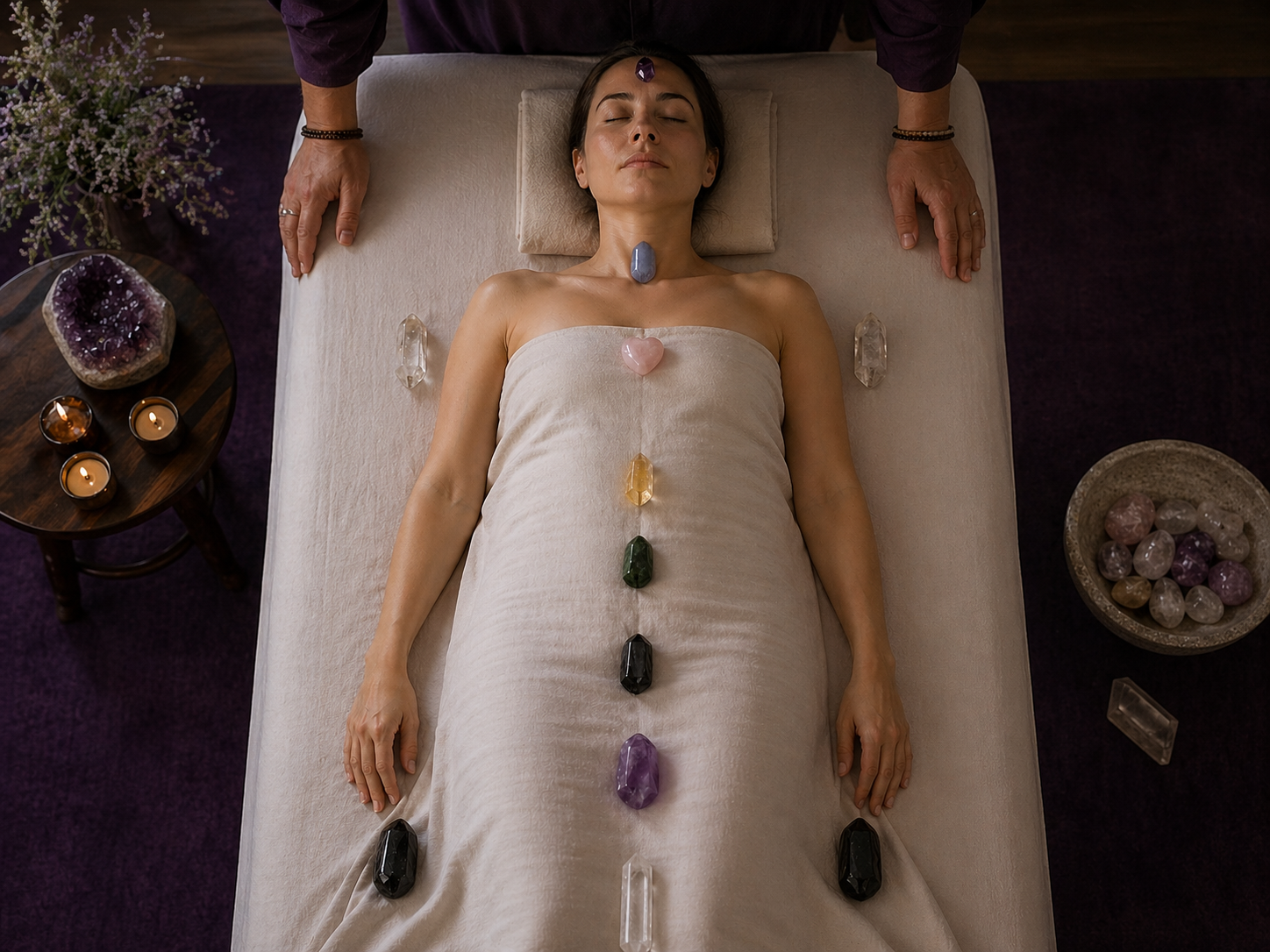
When you place multiple crystals on a client simultaneously, you are not simply stacking their individual properties. You are creating an energetic field that is shaped by how those frequencies interact with each other — and the result is not always the sum of its parts.
Some combinations amplify each other in ways that are deeply supportive. Some create energetic conflict that the client's body has to work against rather than with. Some combinations are appropriate for advanced practitioners with years of experience holding energetic space — and are simply not appropriate for the general wellness client who booked a relaxing treatment.
Understanding crystal combinations means understanding frequency compatibility. Which stones harmonize. Which stones amplify specific qualities in each other. Which pairings are contraindicated for certain emotional states or nervous system conditions. This is a body of knowledge that takes time to develop — and it cannot be shortcutted by intuition alone.
Intuition is a real and valuable tool in this work. But it is not a substitute for knowledge. The most effective practitioners I know use both — a strong foundational understanding of their tools, informed and refined by genuine intuitive attunement. Neither one replaces the other.
What placement actually means
Where you put a crystal on the body matters as much as which crystal you choose.
The body's energy centers are not decorative landmarks. They are functional points in the body's energetic anatomy, each associated with specific physiological, emotional, and energetic processes. Placing a stone directly on an energy center is a deliberate act of frequency introduction. It is asking that center to interact with the stone's energy in a direct and often accelerated way.
That interaction needs to be appropriate for what is happening in that center. For this client. Right now.
A client who is already in emotional overwhelm does not need a heart-opening stone placed directly on their heart center. A client who is ungrounded and disconnected from their body does not need a crown activation before their root is stable. A client in the middle of processing grief, loss, or trauma does not need a combination designed for energetic clearing and release — no matter how clearly you can feel that the energy needs to move.
The sequence matters. The pacing matters. And the willingness to work more slowly than feels necessary, to build the foundation before the opening — is one of the most important skills a crystal practitioner can develop.
The scope of practice conversation
There is something else that needs to be said here, and I want to say it directly.
Crystal therapy, used responsibly and skillfully, can support profound healing. It can help regulate the nervous system. It can create conditions in which stored emotional material becomes more accessible and more processable. It can support the body's own innate capacity to return to balance.
It can also open things.
And when it opens things that are rooted in clinical trauma — when a session inadvertently initiates a trauma response, a dissociative episode, or an emotional flooding that the client has no framework for, that is beyond the scope of what crystal therapy, or any energy modality, should be navigating alone.
We are not licensed therapists. We are not trained to provide clinical trauma processing. We are not equipped — no matter how gifted or experienced we are, to be the sole container for a client whose mental health needs professional support.
Knowing this is not a limitation. It is a professional and ethical responsibility. And part of responsible crystal practice is having a referral network in place — knowing when to say "what's coming up for you in our sessions would be really well supported by working with a therapist alongside what we're doing here" — and meaning it without apology.
The best thing you can do for some clients is not more energy work. It is honest guidance toward the right level of support.
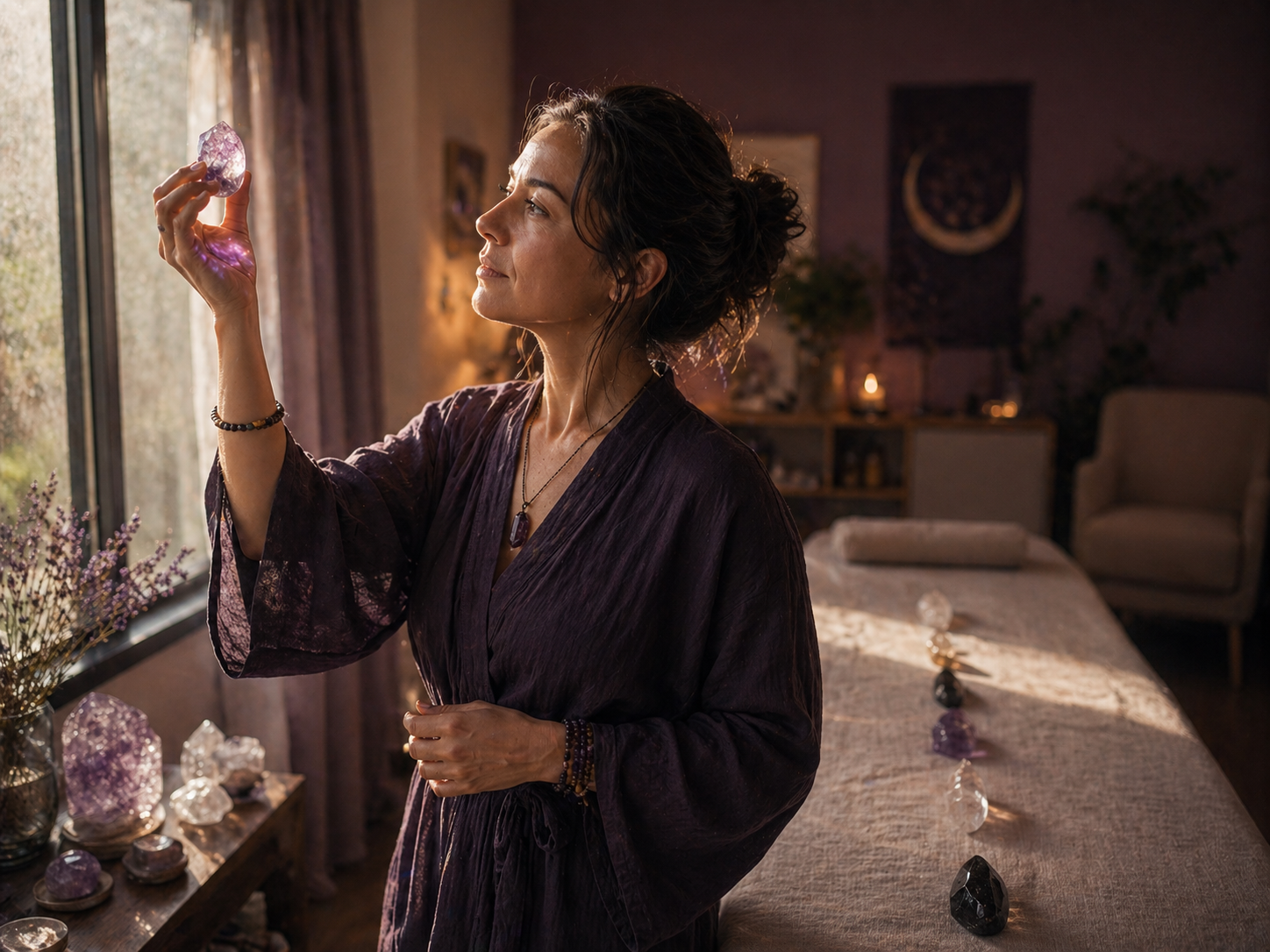
How to build a real crystal practice
All of this might feel like a lot. And if you came to crystal work through the standard channels — the books, the workshops, the intuitive exploration — it might feel like the ground is shifting under what you thought you already knew.
That is not a bad thing. That is exactly the shift that needs to happen.
Building a real crystal practice means going back to the foundations and filling in what got dropped. It means learning the mineral and energetic properties of the stones you work with at a level beyond their general associations. It means developing a real assessment process for your clients — understanding how to read their current state, their history, and their capacity before you make a single placement decision. It means learning frequency compatibility and contraindications, not as a rigid rulebook, but as a living understanding you apply with discernment.
And it means doing the inner work to know yourself as the practitioner — your own energetic patterns, your tendencies, your blind spots — so that what you bring into the session is clarity, not projection.
This takes time. It takes real education. And it is absolutely worth it — because the difference between decorative crystal use and genuinely therapeutic crystal work is not subtle. Your clients will feel it. Your results will reflect it. And your practice will carry the kind of trust that only comes from people who have been genuinely helped.
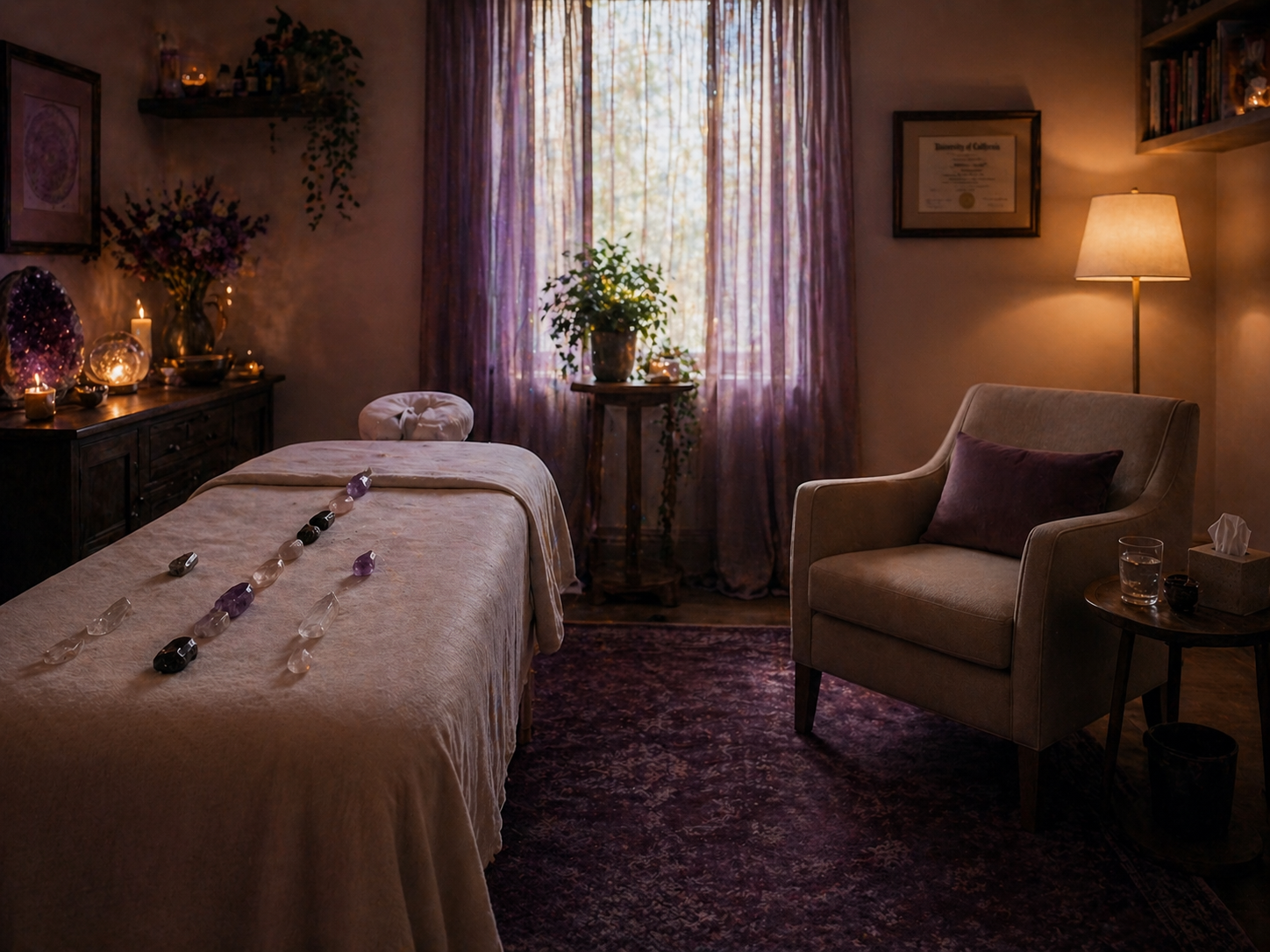
The bottom line
Crystals are not props. They are not ambient décor. They are not a gentle addition to a treatment that will simply enhance the mood and do no harm.
They are frequency tools. And frequency tools used without knowledge, without protocol, and without a clear assessment of the person receiving them are not neutral. They are unpredictable. And unpredictable in a healing context means potentially harmful.
If you are using crystals professionally, the standard you hold yourself to needs to reflect that. Not out of fear. Not out of rigidity. But out of respect, for the tools, for the work, and most importantly, for the people who trust you with their bodies, their energy, and their healing.
They deserve a practitioner who actually knows what they are doing. Be that practitioner.
At Deva Moon Academy, crystal work is taught as a complete therapeutic discipline, including energetic properties, frequency compatibility, contraindications, placement protocol, and how to read client capacity before introducing any tool.
