
How to Know If Your Crystals Are Actually High Quality — A Practitioner's Sourcing Guide
Let's start with something most practitioners have never been asked directly.
Do you actually know what grade your crystals are?
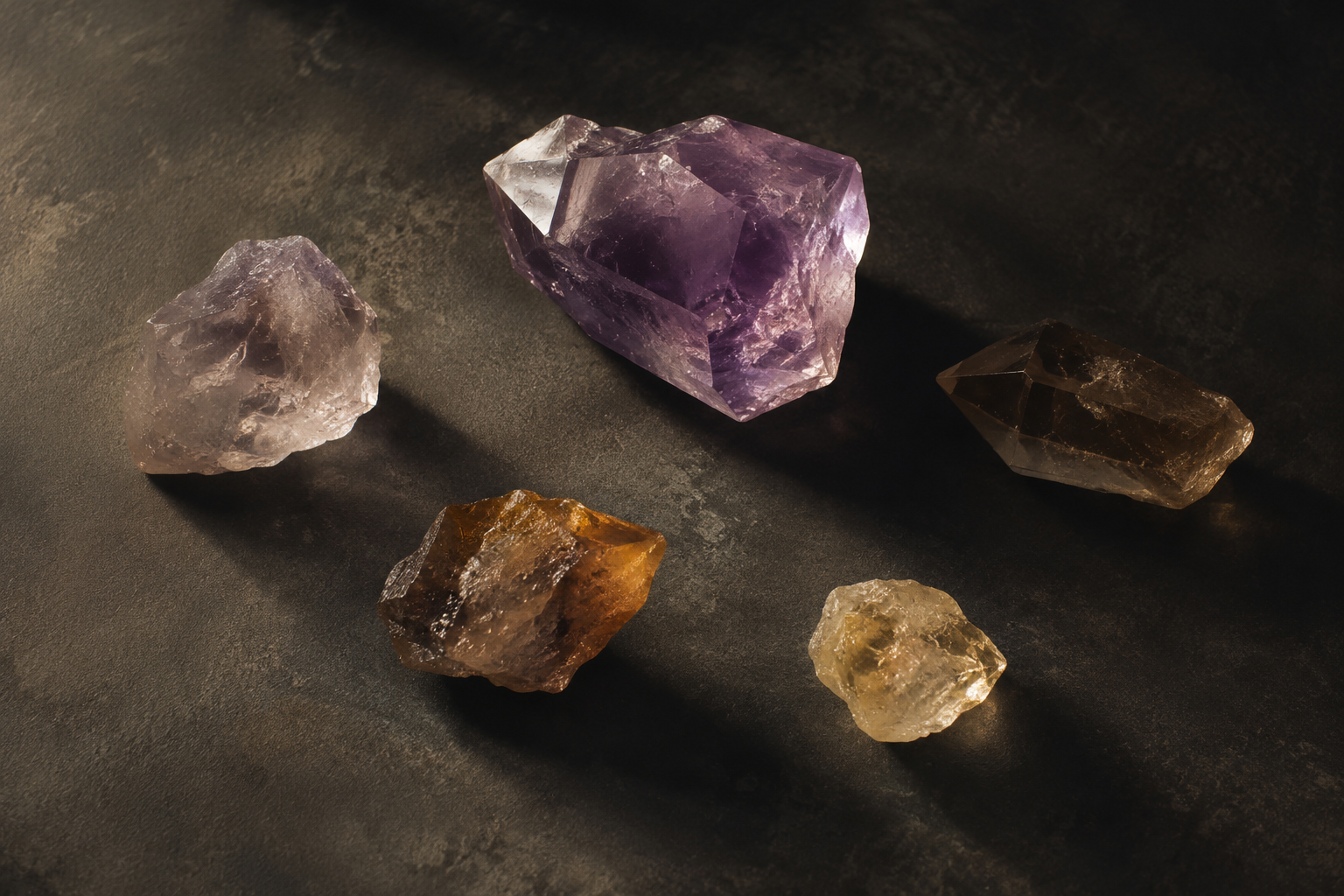
Not what they are called. Not what they are associated with. Not what intention you set when you purchased them. The actual quality of the stone — its structural integrity, its energetic clarity, its grade within the market that supplied it to you.
If the answer is no — you are not alone. Most practitioners working with crystals professionally have never been given a framework for assessing stone quality. They were taught what crystals mean. They were not taught how to evaluate what they actually have.
That gap matters. Because the quality of the tool you place on a client's body is not a minor variable. It is a foundational one. And if you are charging for crystal therapy, you owe your clients this level of knowledge.
The Quality Problem Nobody Is Talking About
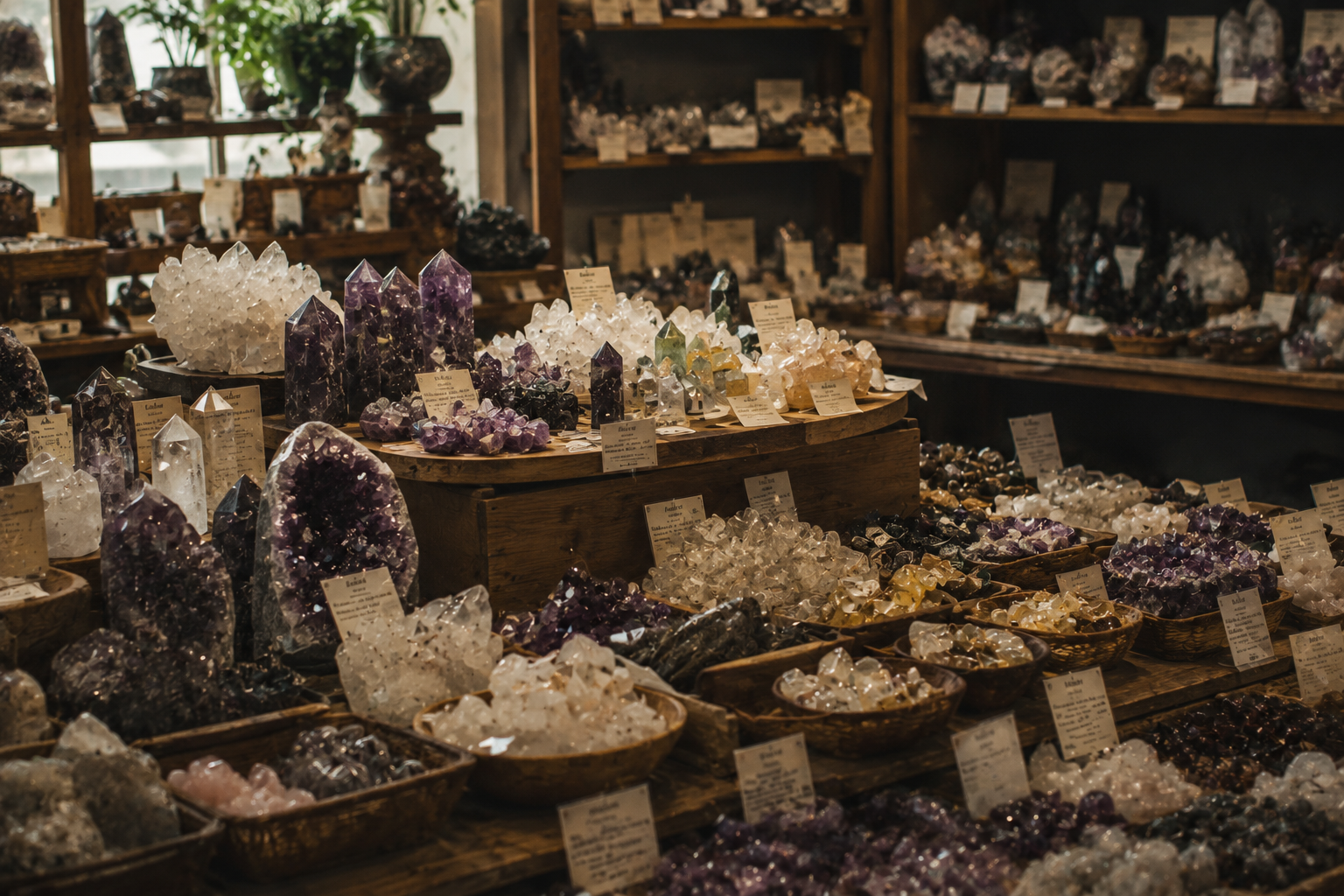
The global crystal market has expanded dramatically with almost no quality regulation, no standardization, and no requirement for transparency about what is actually being sold.
The result is a market flooded with low-grade, commercially processed, and misrepresented stones being used in professional therapeutic settings by practitioners who genuinely believe they are working with quality tools.
The standard has to change. And it changes one practitioner at a time — starting with the willingness to ask harder questions about the tools sitting on your shelves.
What Crystal Grades Actually Mean
The crystal market uses a grading system to communicate quality — though it is applied inconsistently and often not disclosed at the point of sale.
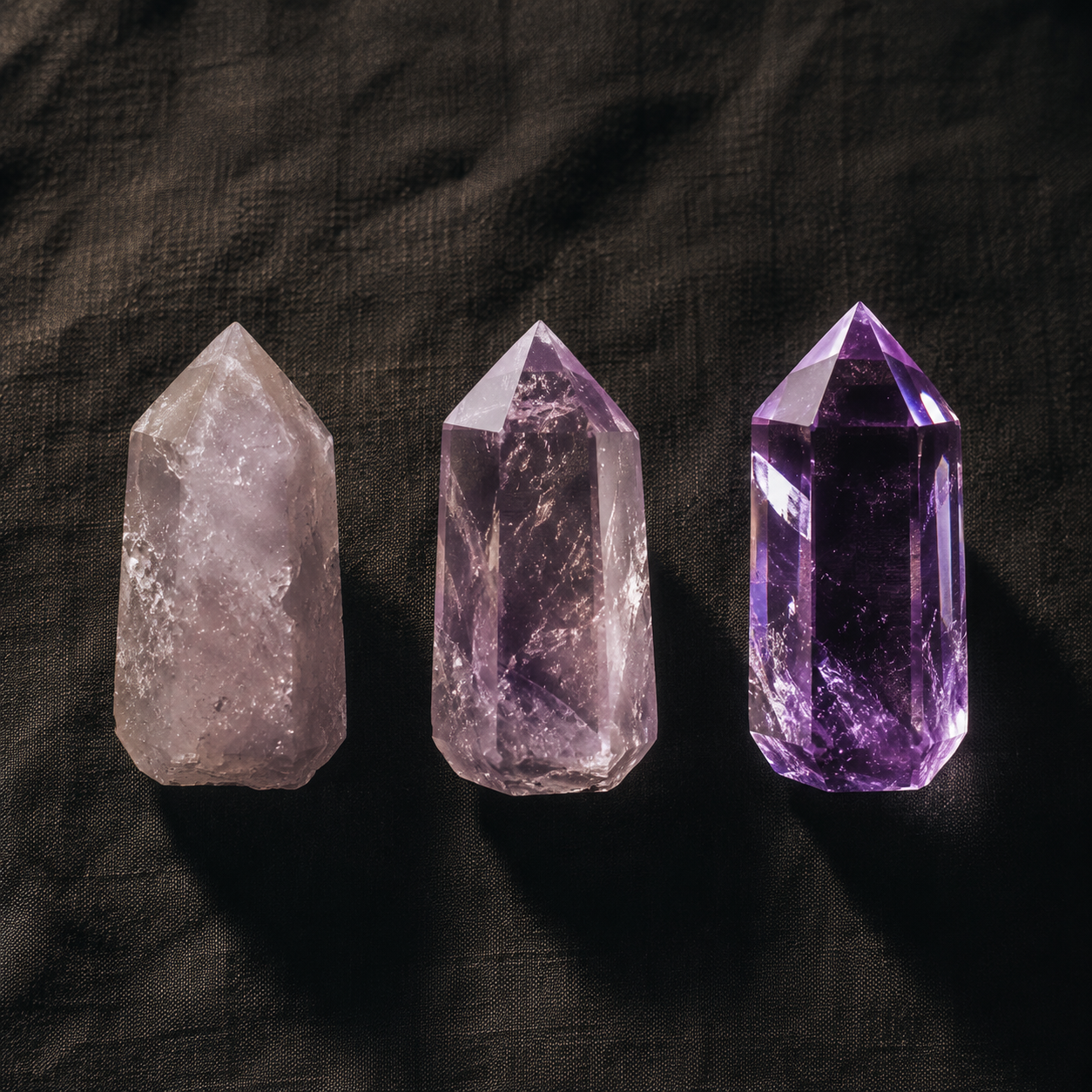
A Grade is the entry-level quality for crystals considered suitable for therapeutic use. Reasonable energetic clarity, minimal significant inclusions. Workable but not exceptional.
AA Grade represents a meaningfully higher standard — strong visual clarity, consistent color, minimal inclusions, and a more refined energetic signature. For most practitioners, AA grade is the appropriate baseline for professional use.
AAA Grade is reserved for exceptional specimens — outstanding clarity, color, and structural integrity. These stones hold frequency most consistently and produce the most reliable energetic effects. They cost more. That is appropriate.
A high-grade stone has more consistent molecular structure — fewer interruptions in the crystalline lattice that disrupt the coherence of the frequency it holds. In practical terms, this means a high-grade stone interacts with a client's field more cleanly and more predictably than a low-grade one.
Natural vs Treated vs Synthetic — Knowing What You Are Actually Working With
This is the conversation most crystal retailers would prefer not to have. And it is the one every practitioner needs to understand completely.
Natural stones are formed through natural geological processes without significant alteration to their chemical composition. They carry the frequency their natural formation created. They are what most people believe they are purchasing. They are also increasingly rare in the commercial market.
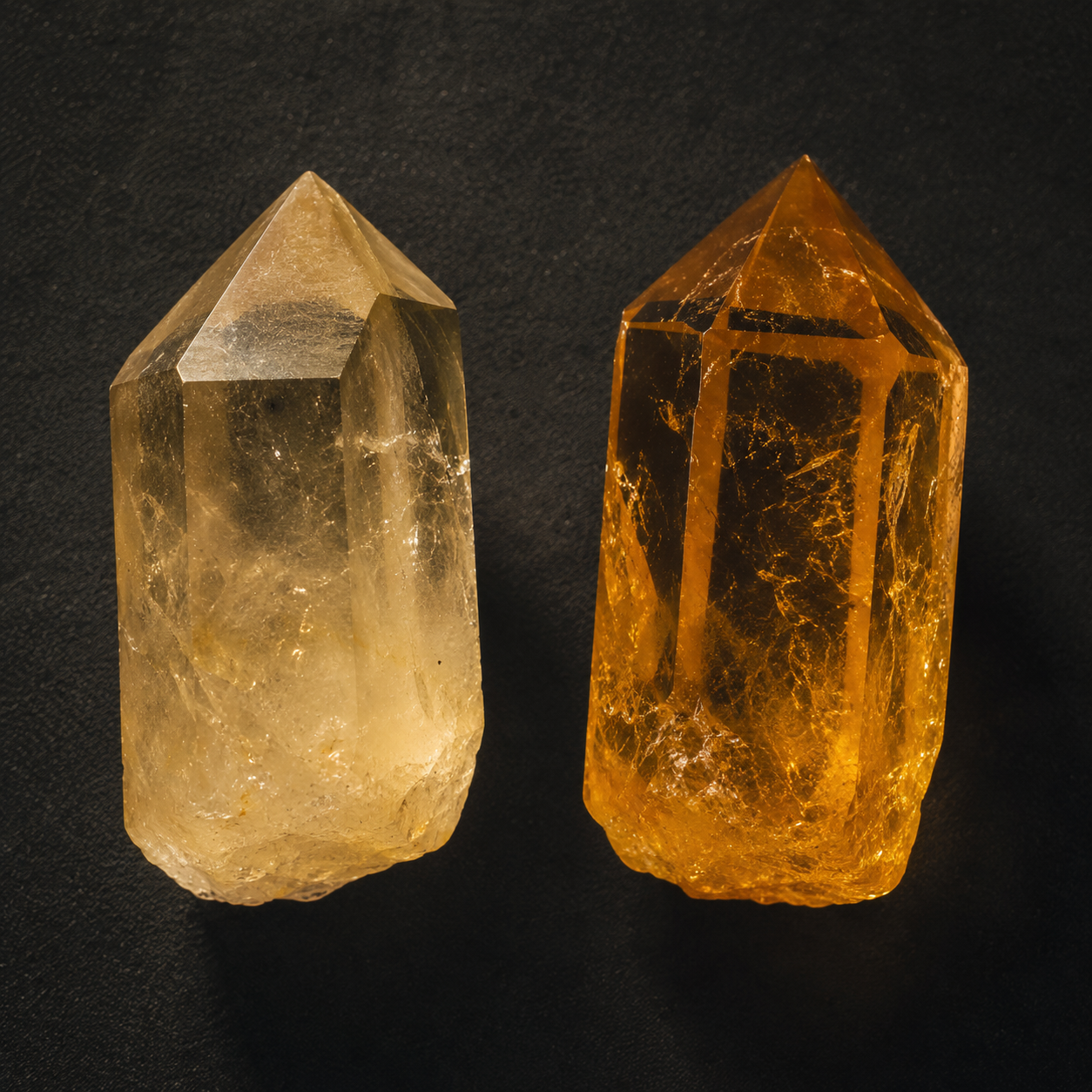
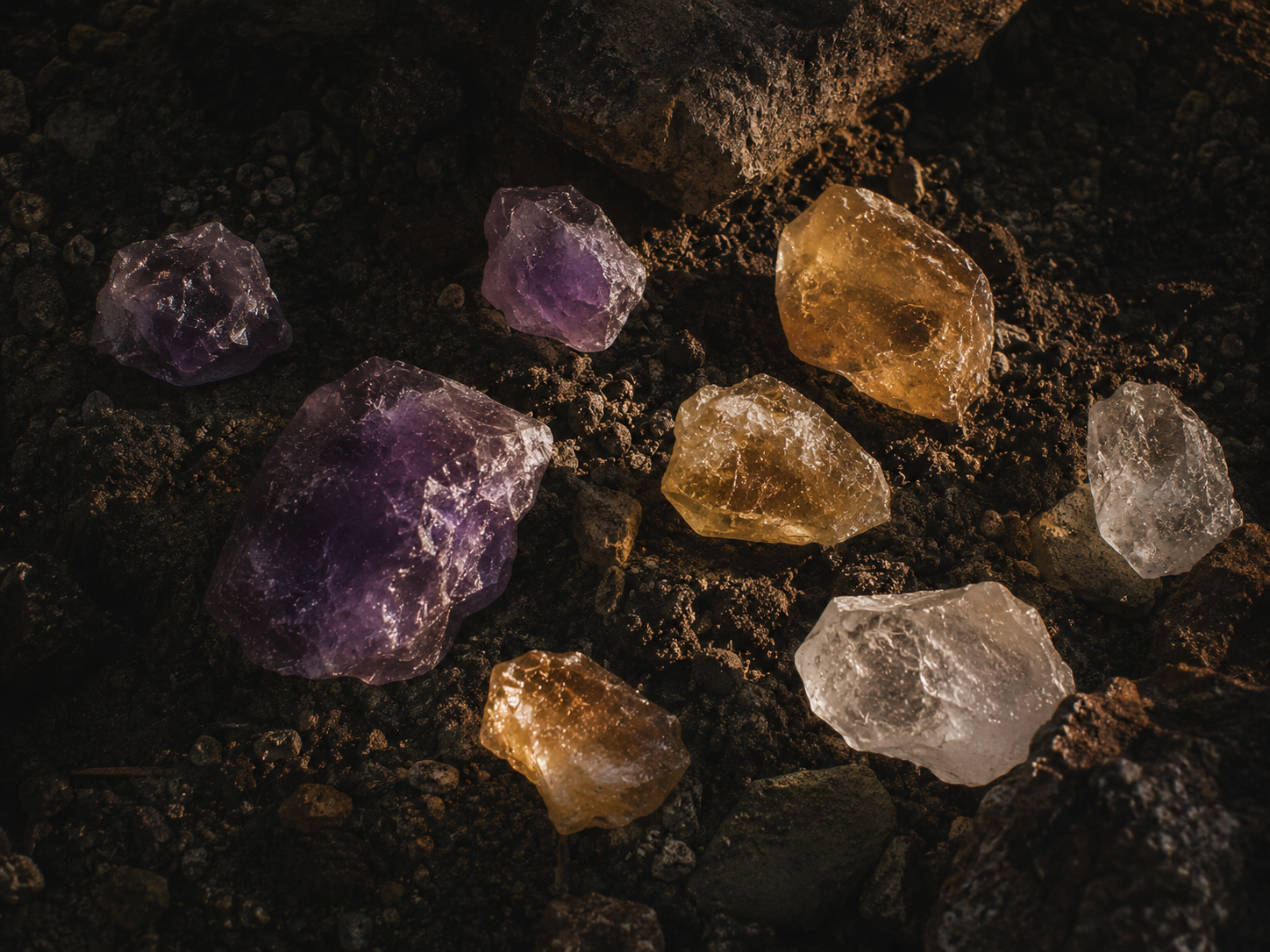
Heat-treated stones have been subjected to high temperatures to alter their color. The most significant example is citrine. The vast majority of citrine available commercially — particularly the bright orange-yellow variety — is not natural citrine. It is amethyst that has been heated to change its color. Natural citrine is a pale warm yellow. Heat-treated amethyst sold as citrine carries a different energetic signature entirely — because it is a different stone.
If you are working with citrine therapeutically and what you actually have is heat-treated amethyst, you are not delivering what you believe you are delivering. That is a problem that starts with sourcing.
Dyed stones have had their color artificially created through dye application. Dyed howlite is commonly sold as turquoise. Dyed stones carry the frequency of the base stone — not the stone they are being presented as.
Lab-created stones are chemically identical to natural stones but created in a laboratory. Practitioners should know which one they are working with and make informed decisions accordingly.
How to Assess Quality Before You Buy
Visual assessment — Look for consistent color, structural integrity, and no significant cracks or surface damage. Natural inclusions are acceptable. Patches of bleached or oversaturated color suggest treatment.
Weight and density — A high-grade stone of a given variety will feel appropriately dense and solid. Stones that feel unexpectedly light may be lower quality or porous.
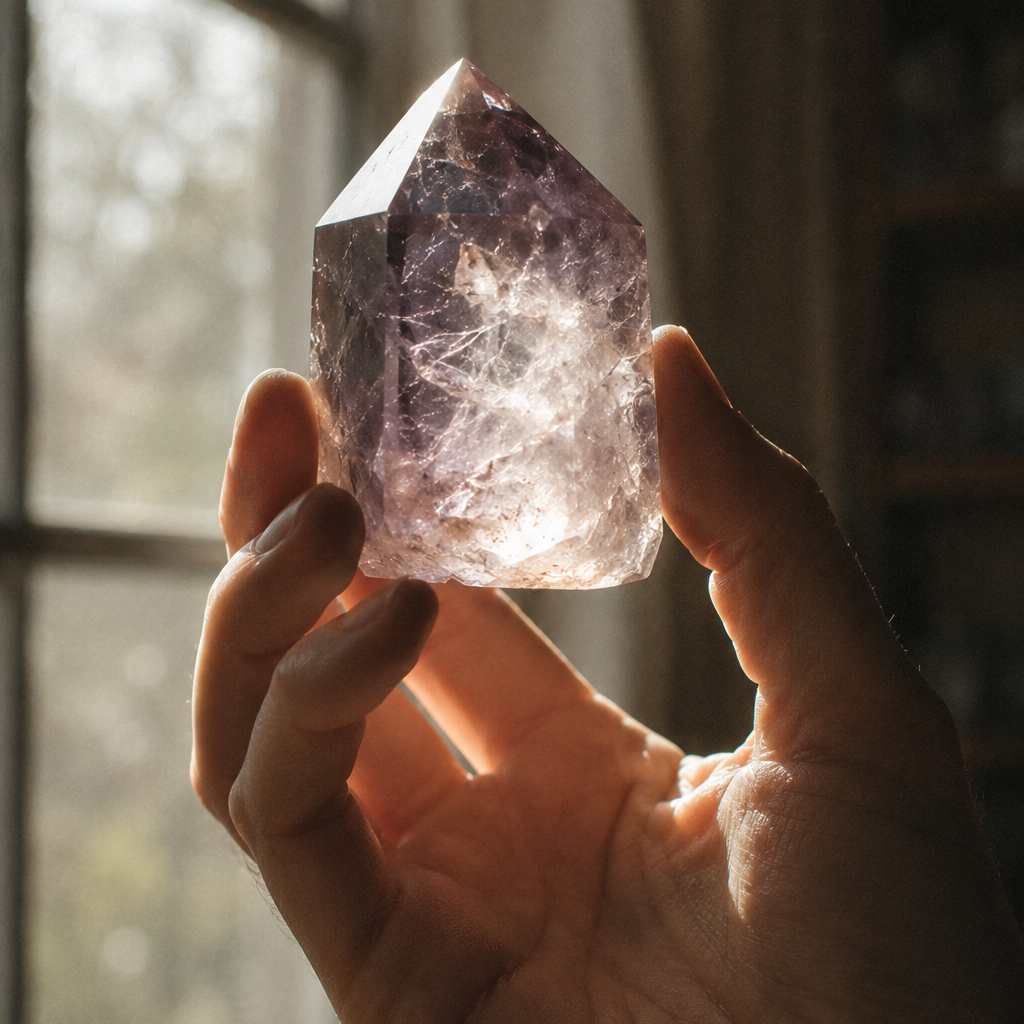
Color and clarity under light — Hold the stone up to natural light. Internal fractures, treatment boundaries, and structural inconsistencies become visible in ways they are not under standard display lighting.
The energetic assessment — A high-quality stone held in the hand has a quality of coherence that lower-grade stones lack. The frequency is more consistent, more distinct, and more palpable. This skill develops over time with exposure to genuinely high-quality stones.
Questions to ask suppliers — What is the grade? Is it natural or treated? Where was it sourced? What are your sourcing practices? A reputable supplier answers these directly. One who deflects is telling you something important.
Ethical Sourcing — Why Where Your Stones Come From Matters
The crystal mining industry is global, largely unregulated, and in many parts of the world deeply problematic from both a human rights and environmental standpoint.
There is an energetic argument for ethical sourcing worth taking seriously — the conditions under which a stone was extracted leave an imprint. Whether you engage with that idea energetically or simply practically, the conclusion is the same. Sourcing from operations that exploit people and damage ecosystems is not coherent with the values most energy practitioners hold.
Fair trade and ethically sourced crystals cost more than commercially sourced alternatives. That cost differential is real and worth paying. It is part of the integrity of your practice.
When researching suppliers look for transparency about sourcing locations, labor practices, and environmental standards. Be appropriately skeptical of vague claims — ethically sourced without specifics is a marketing phrase, not a guarantee.

Building a Quality Collection for Professional Practice
The most common mistake practitioners make is prioritizing breadth over depth — acquiring many stones of unknown quality rather than fewer stones of verified high grade.
A smaller collection of genuinely high-grade, ethically sourced, well-understood stones is a more powerful professional toolkit than a large collection assembled without quality criteria. You know what you have. You know what it does. You can speak about it honestly to your clients.
Prioritize the stones you use most frequently and most centrally in your therapeutic work. These deserve the highest quality investment. Care for them consistently — store them thoughtfully, cleanse and charge them appropriately, and retire them from professional use when they have been compromised physically or energetically.
What Quality Communicates to Your Clients
When you can tell a client what stone you are placing on their body, where it was sourced, what grade it is, and why you chose it for this session — you are offering a level of professional transparency that is genuinely rare in the wellness space.
That transparency builds trust in a way that no amount of intuitive skill alone can replicate. It positions you as a practitioner who takes this work seriously enough to know their tools completely.
The stones you bring into your practice are frequency tools with measurable properties directly affected by their quality, composition, treatment history, and sourcing conditions.
Knowing your crystals at this level is not advanced knowledge. It is the baseline standard for anyone charging for crystal therapy professionally.
Ask the harder questions. Know the answers. Build your practice on that knowledge.
That is what integrity in crystal work actually looks like.
At Deva Moon Academy we teach crystal therapy as a complete discipline — including how to source ethically, assess quality, and build a practice that can be fully trusted at every level. Visit our website to shop our curated collection of high-grade, ethically sourced crystals — and sign up for our newsletter for ongoing crystal education. Link in bio.
