
Why the Most Dangerous Place a Practitioner Can Be Is Comfortable
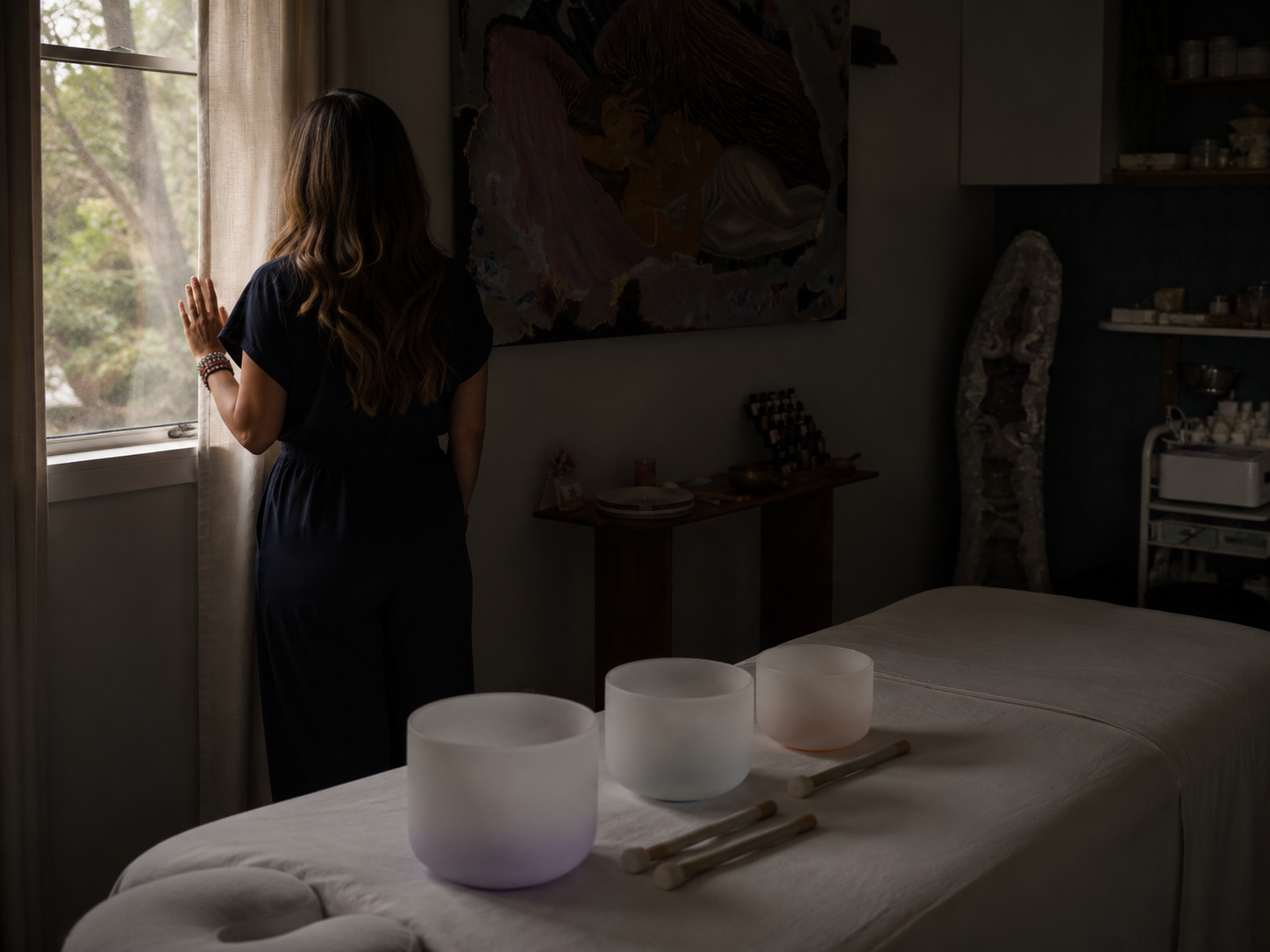
There is a pattern I see constantly in the wellness and healing space. And it is one of the most quietly damaging things I know of — not because it looks harmful but because it looks like success.
It is the practitioner who has full books. A loyal client base. A recognizable name in their community. Years of experience behind them. By every external measure they are doing well. And they have stopped growing.
Not dramatically. Not with a crisis or a breakdown or a visible unraveling. Just quietly, gradually, almost imperceptibly — they have stopped seeking. Stopped learning. Stopped being willing to be the student in the room. And somewhere underneath that stillness, a kind of stagnation has set in that their clients are beginning to feel even if nobody is saying it out loud.
This is the most dangerous place a practitioner can be. Not struggling. Not failing. Comfortable.
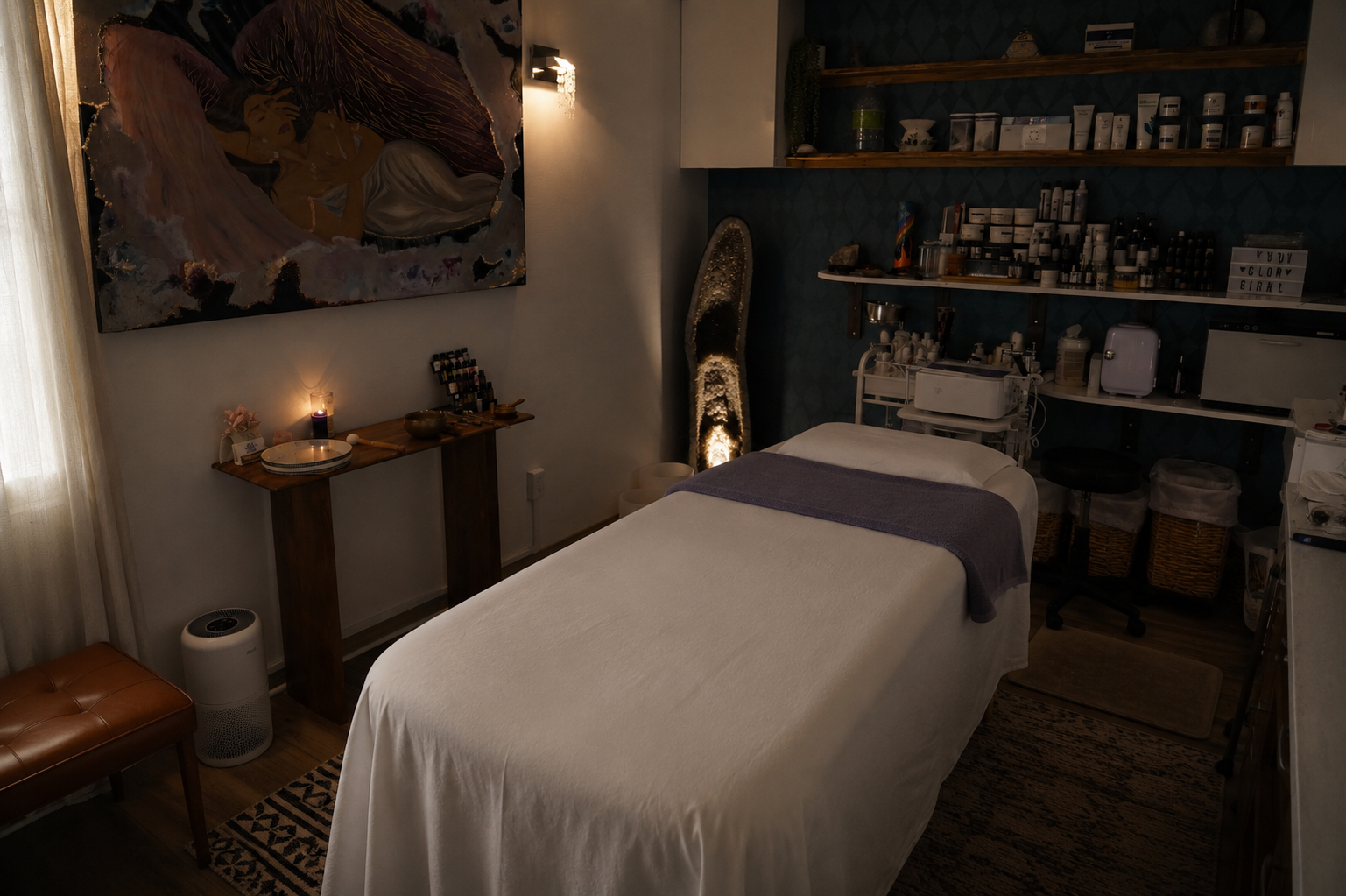
What Comfort Actually Looks Like
Comfort in a practice does not arrive with a warning. It arrives as ease.
The sessions flow. The clients return. The work feels natural and familiar. You know what you are doing and you do it well. And for a while — sometimes a long while — that feels like mastery.
But there is a difference between mastery and stagnation that is easy to miss from the inside. Mastery is dynamic. It continues to deepen, to refine, to surprise you with what you still do not know. Stagnation is static. It feels the same from session to session, year to year. Competent. Reliable. Safe.
And safe, in a healing practice, is not always the same as growing.
I have been in this space long enough to see what happens when a practitioner mistakes their current level for their ceiling. When they stop seeking teachers because they feel like they should be the teacher now. When they stop pursuing new education because what they already know has been working just fine.
What happens is subtle at first. The sessions start to feel a little routine. The intuition that once felt sharp begins to operate more from habit than from genuine perception. The energy they bring into the room — which their clients have always felt even if they could not name it — begins to carry a quality of going through the motions rather than genuine presence.
And the clients feel it. They may not say anything. But they feel it.
The Trade Show Moment
I want to share something that happened to me at a trade show a few years ago — because it crystallized something I have never forgotten.
I was approached by a practitioner who asked for my input on something they were working through in their practice. A real question. A genuine ask for guidance.
I started to respond. I was maybe two sentences in.
And before I had finished — before the thought was even complete — they cut me off. Already tried that. Did not work. Moving on.
And I sat with that. Not with offense — with genuine curiosity. Because I found myself asking the same question I always ask in those moments.
Why ask if you are not truly open to receiving?
What I witnessed in that interaction was not rudeness. It was fear wearing the costume of certainty. It was a practitioner so invested in already knowing the answer that they could not stay present long enough to hear one.
And I recognized it — because I have caught versions of it in myself. The moments where my own ego moved faster than my openness. Where I asked a question already certain I knew more than whatever the answer would be.
That is what comfort does when it goes unexamined. It turns into a kind of protective certainty that feels like confidence but functions like a wall. It keeps new information out. It keeps the practitioner exactly where they are. And it does it so quietly that you can go years without noticing.

The Root Chakra and the Crown
There is an energetic explanation for this pattern that I think about often.
When a practitioner is operating from fear — fear of being seen as less than, fear of not knowing enough, fear of losing the status that their success has given them — that fear lives in the root chakra. It is a survival response. A contraction. A pulling inward to protect what has been built.
And when the root chakra is in that contracted, fearful state — the crown chakra closes. The channel through which we receive new information, new guidance, new downloads from whatever source we believe in — that channel narrows. Sometimes it closes almost completely.
Which means the practitioner who is most defended against appearing not to know is also the one least able to receive what would actually help them grow.
The irony is profound. The very posture that is meant to protect the practice is the one that limits it most.
Opening that channel requires something that feels counterintuitive when you have worked hard to build something. It requires vulnerability. Humility. The willingness to be the student again — not as a performance of humility, but as a genuine recognition that there is always more.

The Michael Jackson Principle
Michael Jackson once said something that has stayed with me since the first time I heard it. He said — if I am not there to receive these ideas, God might give them to Prince.
Read that again.
He understood that his role — even at the height of his gifts, even at the peak of what most people would consider the ultimate level of mastery — was to stay available. To stay open. To never confuse his past success with a reason to stop receiving.
The ideas, the creativity, the next level of expression — none of it was his to hold onto. It flowed through him when he was open and bypassed him when he was not.
I think about this constantly in the context of healing practice.
The downloads — the intuitive hits, the moments of genuine clarity, the inspired approaches that create breakthroughs for clients — those flow through practitioners who stay open. Who do their own work. Who have not mistaken their current level for their destination.
The practitioners who close off — who stop seeking, who stop being willing to be surprised by what they do not know — do not stop receiving because the ideas dry up. They stop receiving because they are no longer available.
And that is entirely within their control to change.

What Staying Open Actually Requires
I want to be direct about something because I think it often gets glossed over in wellness conversations about growth and evolution.
Staying open is not a feeling. It is not an intention you set at the beginning of the year or a value you list on your website. It is a daily practice — and sometimes a difficult one.
It requires showing up to seek education even when you feel like you already know enough. It requires sitting in a room with someone who knows something you do not and staying present enough to actually receive it. It requires the humility to ask questions without rushing to demonstrate that you already had the answer.
It requires doing your own inner work — continuously, without treating it as optional — so that the fears and wounds that create protective certainty can be seen clearly and worked through honestly.
And it requires having teachers. Real ones. People who hold a higher vibration than where you currently are — who can see your blind spots because they are not inside them, who can hold space for your growth in ways that your own self-reflection cannot fully access.
I would not be who I am in my practice without my teachers. Without the energetic practitioners who held space for my own healing when I needed it most. Without the people who saw things in me — both gifts and blocks — that I could not yet see in myself.
That humility — the recognition that we all need someone holding a higher vibration for us — is not weakness. It is the single most important quality that separates the practitioners who keep growing from the ones who plateau.
The Practitioner Who Stops Seeking
There is a version of a healing practice that looks successful from the outside but has quietly stopped evolving from the inside. The practitioner is skilled. The clients are satisfied. The business is running.
But the work has stopped surprising them. The sessions feel known. The intuition has calcified into habit. And underneath it all — if they are honest — there is a flatness where there used to be aliveness.
That is not a failure. It is an invitation.
It is the invitation to ask — when did I stop seeking? When did I decide I had arrived? What am I protecting, and is the protection serving me or limiting me?
Those are not comfortable questions. They are not meant to be. They are meant to crack something open — not dramatically, not in a single session or a single moment of realization, but gradually, honestly, in the quiet space of a practitioner who is willing to look.
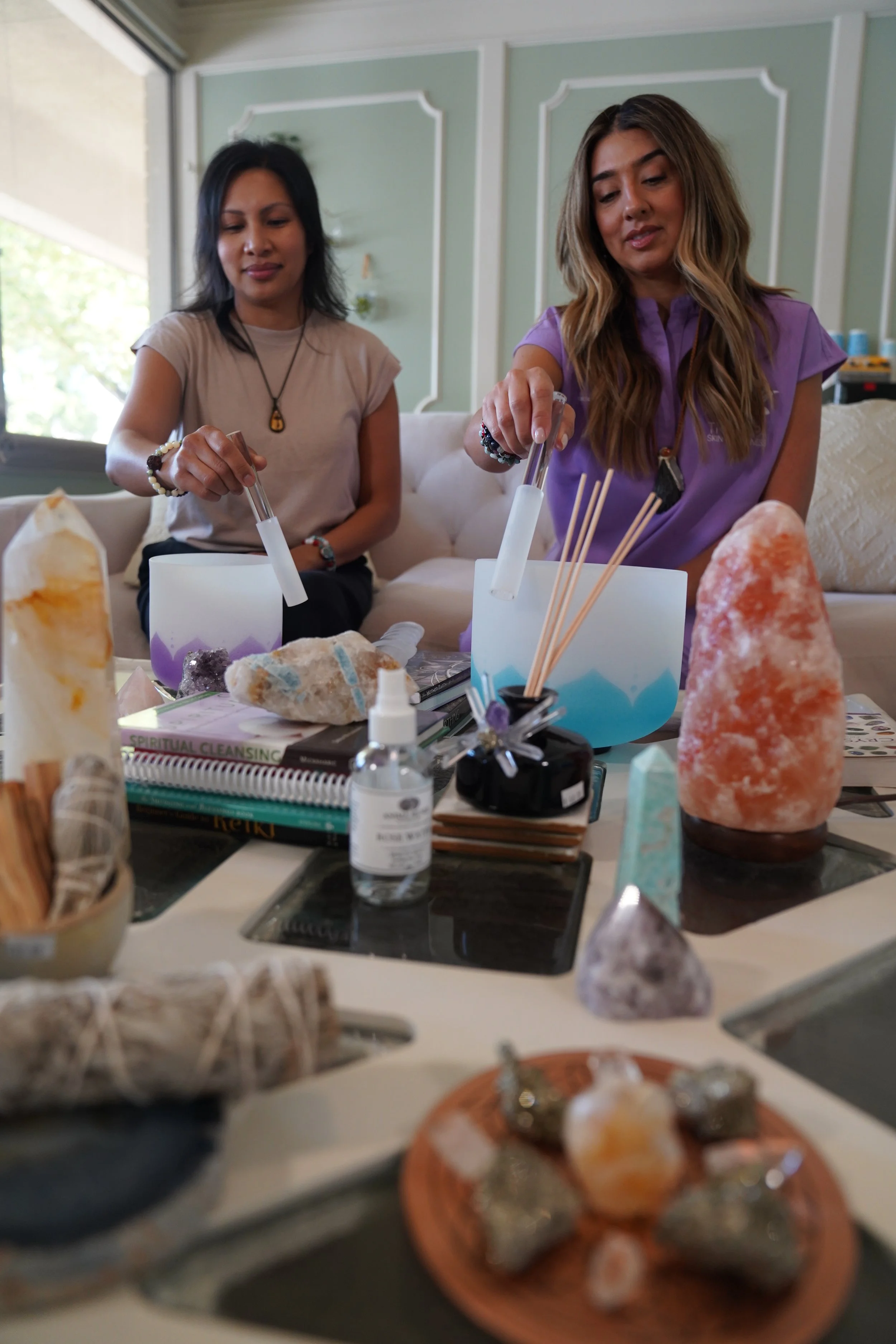
What Deva Moon Academy Is Built For
I built Deva Moon Academy for many reasons. But one of the deepest ones is this.
I wanted to create a space where practitioners could keep growing — not just in skill and knowledge but in self-awareness, in depth, in their capacity to show up fully for the people in front of them.
The courses give you knowledge. The foundation — frequency literacy, ethical practice, assessment, protocol. The things most programs never teach.
The mentorship gives you something the courses cannot. The deep personal work. The excavation of the patterns and wounds and blind spots that are quietly shaping your sessions, your relationships, and the quality of what you are able to receive.
Together they are not just education. They are a commitment to staying open. To never mistaking your current level for your ceiling. To building a practice that continues to evolve because you continue to evolve — not in spite of your success but through a conscious choice to keep seeking beyond it.
That is the practitioner I want to be. And that is who I want Deva Moon Academy to cultivate.

The Question Worth Sitting With
If you are reading this and something landed — if a part of you recognized itself in the trade show story, in the description of comfortable stagnation, in the image of a practitioner whose certainty has become a wall — I want to offer you one question to sit with.
Not as a judgment. Not as a challenge. Just as an honest invitation. When did you last let yourself be truly surprised by something you did not know?
If the answer comes easily — if there is a recent moment of genuine openness, a teacher you are currently learning from, an area of your practice where you are still discovering rather than just delivering — that is a sign the channel is open.
If the answer takes longer. If you have to reach back further than feels comfortable to find a moment of genuine receiving. If the honest answer is that you have mostly been the one giving and teaching and knowing for a while now.
That is not a failure either. That is just the information.
And information is always the beginning of something. 🌙
At Deva Moon Academy we believe that education and inner work are not separate paths — they are the same one. If you are ready to keep growing — in knowledge, in depth, and in your capacity to truly serve the people in front of you — sign up to our newsletter through the link in bio. We would love to have you in the community
